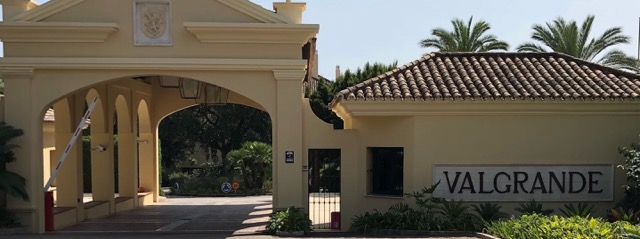



If you own property in Sotogrande and you're not using it year-round, letting it can generate meaningful income while keeping your home maintained and occupied. We've been helping property owners navigate the Sotogrande rental market for over 30 years, and the opportunity here is genuinely strong—consistent demand from quality tenants, reasonable returns, and a market that's proven resilient over time.
What follows is everything we've learned about letting property in Sotogrande successfully—the two different rental markets, what returns you can realistically expect, the legal requirements you need to understand, and how to approach this in a way that protects your investment while generating income.
Understanding Your Options: Long-Term vs. Short-Term Letting
The first fundamental decision is which rental market you're targeting, because they operate completely differently.
Long-term letting means renting to tenants for a minimum of one year, typically unfurnished or partially furnished. Your tenants are families relocating to the area, professionals working locally or in Gibraltar, or people who want to live in Sotogrande without purchasing. This market provides stable, predictable income with minimal management intensity, but lower overall returns than short-term letting.
Short-term or holiday letting means renting by the week or month to holidaymakers, golf tourists, families exploring the area before buying, or anyone wanting a temporary Sotogrande base. This market can generate significantly higher income, particularly during summer months, but requires active management, proper licensing, and more work.
Many owners assume they should maximize income through short-term letting, but that's not always the right answer. Your decision should factor in how you use the property yourself, your tolerance for management complexity, your tax situation, and what actually makes financial sense after costs.
Let's examine both approaches properly.
Long-Term Letting
The Market and Returns
Long-term rental demand in Sotogrande comes primarily from:
Families relocating for work or school, particularly those moving for positions in Gibraltar or enrolling children in Sotogrande International School. These tenants typically want 1-3 year commitments and value stability.
Professionals and executives working in the region who want quality accommodation in a secure, well-maintained community.
People waiting for their own properties to complete, either new builds or purchases going through the conveyancing process.
Buyers testing the area before committing to purchase, often renting for 6-12 months to experience Sotogrande properly.
Rental rates vary by property type and location:
Apartments: Two-bedroom units typically rent for €1,200-€1,800 monthly, three-bedroom for €1,800-€3,000+. Marina apartments and golf-front properties sit at the higher end.
Townhouses: Generally €2,000-€4,000 monthly depending on size, location, and condition.
Villas: Start around €3,000-€4,000 monthly for smaller properties, climbing to €10,000+ for larger homes in prestigious locations.
Annual yields on long-term lets typically run 3-5% of property value, which isn't spectacular but is stable and predictable. A €500,000 apartment might generate €18,000-€24,000 annually. A €2 million villa might bring €60,000-€80,000.
The advantage is consistency. You have one tenant paying monthly, minimal void periods if you price correctly, and far less management than short-term letting requires.
Spanish Tenancy Law
This is crucial to understand because Spanish law strongly protects residential tenants, and once you've rented to someone, removing them if problems develop is difficult and time-consuming.
Rental contracts for residential properties run initially for one year, with automatic annual renewals up to five years (for individual tenants) or seven years (for companies). During this period, landlords cannot evict tenants or refuse renewal except for specific legal reasons: non-payment of rent, property damage, illegal activity, or landlord needing the property for their own use (and even this last reason has restrictions).
Rent increases are limited to annual CPI (Consumer Price Index) adjustments. You can't arbitrarily raise rent mid-contract.
Deposits are capped at one month's rent for furnished properties, two months for unfurnished. These must be registered with regional authorities and held in protected accounts.
Tenant rights are extensive. Properties must meet habitability standards, landlords must handle major repairs promptly, and tenants have strong protection against eviction.
This framework means tenant selection matters enormously. You're potentially committing to five years with whoever you rent to, so choosing reliable people who'll pay on time, maintain your property properly, and respect their obligations is essential.
Preparing Your Property for Long-Term Letting
Long-term rentals are typically offered unfurnished or partially furnished—basic kitchen appliances and perhaps white goods, but not furniture, curtains, or personal items.
Essential preparations:
Deep clean and declutter: Remove all personal belongings, family photos, and items you want to keep. The property should feel neutral and ready for tenants to make their own.
Ensure everything works: Test all appliances, heating, air conditioning, plumbing, and electrical systems. Fix anything that's broken. Tenants will report problems immediately, and you're legally obligated to address them.
Fresh paint and minor repairs: Properties should look well-maintained. Peeling paint, cracked tiles, or visible wear puts off quality tenants.
Safety compliance: Working smoke detectors, secure locks, safe electrical systems. These are legal requirements and your responsibility as a landlord.
Create an inventory: Document everything you're leaving—appliances, fixtures, condition of walls, floors, and fittings. This protects you when tenants leave and there are questions about damage.
Arrange insurance: Standard home insurance typically doesn't cover rental properties. You need landlord insurance covering building, contents (if furnished), and liability. Expect €500-€1,500+ annually depending on property value and coverage.
Finding Long-Term Tenants
The best long-term tenants typically come through:
Estate agents with rental departments (like ourselves) who maintain databases of people actively seeking rentals and can match suitable tenants to your property.
Word of mouth and referrals within the Sotogrande community. Quality tenants often hear about properties before they're widely advertised.
Property portals listing Sotogrande rentals, though these generate more inquiries than quality applications in our experience.
International relocation companies working with executives and families moving to the area.
We market long-term rental properties to our registered database, on major property portals, and through our network of international contacts. We also handle tenant vetting, reference checking, and contract preparation.
Tenant Selection and Vetting
Given how Spanish tenancy law protects tenants, proper vetting is essential:
Proof of income: We require evidence that the tenant's income is at least three times the monthly rent—employment contracts, payslips, bank statements, or accountant's letters for self-employed applicants.
References: Previous landlord references are valuable, particularly for tenants relocating from abroad.
NIE verification: All tenants must have NIE numbers to rent in Spain. We verify these are legitimate.
Background checks: For higher-value properties, we may conduct additional checks to ensure tenants have no history of rental disputes or financial problems.
Personal interviews: Meeting tenants, understanding their circumstances, and assessing whether they're likely to be reliable matters. Years of experience gives us instincts about who'll be good tenants.
We reject applicants who raise concerns, even if that means longer void periods. Placing the wrong tenant can cost you far more than a few weeks of lost rent.
Managing Long-Term Tenancies
Once tenants are in place, ongoing management involves:
Collecting rent monthly: We set up direct debits and follow up immediately if payments are late.
Handling maintenance requests: Coordinating repairs, arranging contractor visits, and ensuring issues are addressed promptly. This is your legal obligation, and delays damage tenant relationships.
Property inspections: Regular checks (typically every 3-6 months) ensure tenants are maintaining the property properly and allow us to catch problems early.
Addressing tenant concerns: Responding to questions, resolving minor disputes, and maintaining good relationships.
Annual contract renewals: Adjusting rent appropriately, confirming both parties want to continue, and updating documentation.
Managing departures: Conducting final inspections, assessing deposit deductions if needed, returning keys, and preparing the property for new tenants.
For long-term lets, we typically charge 10-15% of annual rental income plus VAT for full management, or lower rates if you only want tenant placement and handle ongoing management yourself.
Tax Implications for Long-Term Letting
Rental income in Spain is taxable, with treatment depending on your residency status:
Residents: Rental income is added to your other income and taxed at progressive rates up to 47%, though you can deduct certain expenses—property tax (IBI), community fees, insurance, maintenance, and up to 60% of rental income against depreciation and other allowable costs. Effective tax rates after deductions typically run 15-25% depending on your circumstances.
Non-residents: Pay flat-rate tax of 19% (EU residents) or 24% (non-EU) on net rental income. You can deduct expenses proportionally, but the calculation differs from resident taxation.
Your accountant or tax advisor should calculate your specific liability and ensure you're claiming all allowable deductions. We work with tax specialists who understand Spanish rental taxation and can provide proper guidance.
Short-Term Holiday Letting
The Market and Returns
Short-term letting in Sotogrande attracts:
Summer holidaymakers, primarily families from the UK, Northern Europe, and increasingly Spain itself, seeking beach access, pools, and Mediterranean lifestyle.
Golf tourists visiting year-round but concentrated in spring, autumn, and winter when weather is ideal for golf.
Polo enthusiasts during tournament season, particularly in summer.
Families exploring the area before buying, renting for a few weeks or months while viewing properties and getting to know Sotogrande.
People visiting family or friends who live in Sotogrande and want nearby accommodation.
Rental rates vary dramatically by season and property:
Peak summer (July-August): A three-bedroom villa with a pool might achieve €3,000-€7,000+ per week. A four-bedroom golf-front property could reach €5,000-€10,000+ weekly. Marina apartments range from €1,500-€4,000+ weekly depending on size and views.
Shoulder season (June, September): Rates drop 20-40% from peak levels but occupancy can remain strong.
Low season (October-May): Rates are 40-60% below peak, though golf tourists provide year-round demand for well-located properties.
Annual yields on successful short-term lets can reach 6-10% of property value if managed well, significantly outperforming long-term letting. However, this requires work, proper licensing, active marketing, and consistent management.
A €800,000 villa that sits empty when you're not using it could generate €50,000-€80,000 annually through short-term letting if well-managed. But costs are higher and management is considerably more intensive.
Legal Requirements: The VUT License
You cannot legally offer short-term tourist rentals in Andalusia without a VUT (Vivienda de Uso Turístico) license. This is non-negotiable, and operating without one risks substantial fines for both you and potentially your guests.
Obtaining a VUT license requires:
Property ownership verification and title deeds
Habitation certificate (cédula de habitabilidad) confirming the property meets safety and habitability standards
Energy performance certificate valid and current
Floor plans and property specifications
Evidence of appropriate insurance covering short-term rentals
Meeting safety standards: Smoke detectors, carbon monoxide alarms if applicable, first aid kit, emergency information for guests
Fire extinguishers and emergency evacuation information
The application is submitted to the Junta de Andalucía, and processing typically takes 2-3 months. Once granted, the VUT license is valid indefinitely unless regulations change or the property's use changes.
We can guide you through the VUT application process or connect you with specialists who handle this routinely. The investment in proper licensing protects you legally and provides guests with confidence that your property is legitimate and properly insured.
Preparing Your Property for Short-Term Letting
Holiday rentals must be fully furnished and equipped to a standard where guests can arrive and settle in immediately:
Complete furnishing: All bedrooms with quality beds, linens, and storage. Living areas with comfortable seating, dining furniture, and entertainment options. Everything guests need for a comfortable stay.
Fully equipped kitchen: Cookware, dishes, utensils, glassware, cutlery, small appliances (coffee maker, toaster, kettle). Guests expect to self-cater if they choose.
Quality linens and towels: Multiple sets so you can change between guests without delays. Good quality mattresses and pillows make enormous differences to guest satisfaction.
Essential supplies: Toilet paper, hand soap, dish soap, bin bags, basic cleaning supplies. Many properties provide welcome packs with initial groceries or toiletries as a nice touch.
Working WiFi: Non-negotiable for modern holiday rentals. Guests expect reliable, fast internet.
Air conditioning: Essential for summer in Sotogrande. Properties without it simply won't rent well during peak season.
Outdoor furniture: If you have terraces, gardens, or pools, proper outdoor furniture, loungers, and dining sets are essential. Outdoor living is central to Sotogrande's appeal.
Safety equipment: As mentioned under VUT requirements, plus pool safety measures if applicable.
Guest information: Welcome book with property instructions, WiFi passwords, emergency contacts, local recommendations, and house rules.
Maintenance of all equipment and systems: Everything must work perfectly. Guests have limited time here and won't tolerate broken appliances, faulty air conditioning, or pools that aren't pristine.
The initial investment in furnishing and equipping properties properly is significant—budget €20,000-€50,000+ depending on property size and quality standards. But it's essential for achieving good bookings and positive reviews.
Marketing and Managing Short-Term Rentals
Successful short-term letting requires consistent effort:
Professional photography: Guests book based on photos. Poor images mean your property gets overlooked regardless of how nice it actually is. We arrange professional photography that showcases properties at their best.
Compelling descriptions: Detailed, accurate listings highlighting location benefits, amenities, and what makes your property special. Honesty matters—misleading descriptions generate bad reviews and cancellations.
Competitive pricing: Too high and you don't get bookings. Too low and you leave money on the table. Pricing strategies adjust seasonally and respond to demand, competition, and booking patterns.
Multi-platform marketing: Your property should appear on major booking platforms (Airbnb, Booking.com, Vrbo) as well as specialist Sotogrande rental sites. Calendar synchronization prevents double bookings.
Guest communication: Responding promptly to inquiries, answering questions professionally, and providing clear information about the property, location, and booking terms.
Booking management: Confirming reservations, collecting deposits and balances, registering guests with authorities (legally required in Spain), sending pre-arrival information, and coordinating check-ins.
Changeover management: Professional cleaning between every stay, fresh linens, restocking supplies, inspecting for damage, and ensuring everything is perfect for the next arrival.
Maintenance coordination: Addressing any issues immediately—guests have limited time and expect everything to work. Pool cleaning, garden maintenance, appliance repairs, and all other upkeep must be handled promptly.
Guest support during stays: Being available 24/7 for emergencies, questions, or problems. This is when you're most vulnerable to negative reviews if service fails.
Review management: Encouraging satisfied guests to leave positive reviews, which drive future bookings. Addressing negative feedback professionally and learning from it.
Financial reporting: Tracking income and expenses accurately for tax purposes and so you understand actual returns.
This level of management is why we typically charge 15-20% plus VAT of rental income for full short-term rental management. It's intensive work, and doing it properly requires experience, systems, and consistent attention.
Guest Registration and Compliance
Spanish law requires all guests staying in tourist accommodation to be registered with the National Police. This means collecting passport details, dates of stay, and submitting this information to authorities.
It's your legal obligation as the property owner, and operating without proper guest registration risks fines. Professional property managers handle this routinely as part of their service.
Tax Implications for Short-Term Letting
Short-term rental income is taxed similarly to long-term rental income, with rates depending on residency status. However, because short-term letting is considered more commercial in nature, the expense deductions differ slightly.
You can typically deduct:
Property taxes (IBI) and community fees
Insurance costs
Utilities (electricity, water, gas)
Maintenance and repairs
Cleaning costs between guests
Property management fees
Marketing costs (listing fees on booking platforms)
Professional photography and other setup costs (often amortized over several years)
You may also be liable for IVA (VAT) on your rental income depending on how it's structured and whether you provide additional services beyond just accommodation. The rules around VAT and tourist rentals are complex, and we strongly recommend consulting with tax advisors who specialize in Spanish short-term rental taxation.
Because short-term letting generates higher income but also higher deductible expenses, and because it falls into different regulatory categories, proper tax planning is essential to ensure you're compliant and not paying more tax than necessary.
Our Property Management Services
We've been managing rental properties in Sotogrande for three decades, both long-term and short-term. Our approach is built on protecting your property, maximizing realistic returns, and providing service that actually justifies our fees.
For Long-Term Lets, We Handle:
Property assessment and rental valuation based on current market conditions
Professional photography and marketing
Tenant sourcing and vetting including income verification, reference checks, and interviews
Contract preparation ensuring legal compliance and protecting your interests
Deposit registration with regional authorities
Move-in coordination including inventory, key handover, and utility account setups
Ongoing rent collection and immediate follow-up on late payments
Regular property inspections with detailed reports and photos
Maintenance coordination arranging repairs and contractor visits
Tenant liaison handling questions and concerns professionally
Annual contract renewals with appropriate rent adjustments
Move-out management including final inspections, deposit assessments, and property preparation for new tenants
Financial reporting providing clear monthly statements
Our fees for long-term letting typically run 10-15% of annual rental income plus VAT, depending on the level of service required. We also offer tenant-find-only services at reduced rates if you want to handle ongoing management yourself.
For Short-Term Lets, We Handle:
VUT license application support guiding you through the process or connecting you with specialists
Property assessment and setup advice helping you understand what's needed to compete effectively
Professional photography and property descriptions
Multi-platform marketing across Airbnb, Booking.com, Vrbo, and specialist sites
Calendar management preventing double bookings
Guest communication responding to inquiries, answering questions, and providing information
Booking management confirming reservations, collecting payments, and registering guests with authorities
Pre-arrival coordination sending property information, coordinating check-in times, and answering questions
Check-in and check-out meeting guests or arranging key collection, property orientation, and departure inspections
Professional cleaning between every stay with fresh linens
Maintenance coordination handling any issues immediately
Guest support available 24/7 during stays for emergencies or problems
Review management encouraging positive feedback and addressing concerns
Financial reporting providing detailed monthly statements showing income, expenses, and net returns
Tax documentation preparing summaries for your accountant
Our fees for short-term letting run 15-20% of rental income plus VAT, which reflects the intensive management these properties require. We also charge guests separately for final cleaning fees, which covers professional cleaning between stays.
Why Work with Us
We're honest about what properties will achieve. If we think short-term letting won't work well for your property, we'll tell you. If your rental expectations are unrealistic, we'll explain why. We'd rather have those difficult conversations upfront than disappoint you later.
We protect your property. Tenant vetting, regular inspections, immediate maintenance coordination, and careful guest management all protect your investment. Properties under our management stay in excellent condition because we treat them as if they were our own.
We maximize realistic returns. We price competitively based on market conditions, adjust strategies when needed, and work to keep occupancy high without compromising on tenant or guest quality.
We handle everything properly. Legal compliance, tax documentation, regulatory requirements—we ensure everything is done correctly so you're protected.
We communicate clearly. Monthly financial reports, regular updates, and immediate contact when anything requires your attention or decision. You always know what's happening with your property.
We're here for the long term. Many of our property management clients have been with us for years, some for decades. That continuity happens because we deliver on what we promise and we maintain standards consistently.
Getting Started
If you're considering letting your Sotogrande property, start with an honest conversation about your goals, how you use the property, and what returns you're realistically hoping for.
We'll visit your property, assess its rental potential, explain what preparation might be needed, provide realistic income projections for both long-term and short-term letting, clarify all costs and fees transparently, and recommend which approach makes most sense for your circumstances.
There's no obligation and no pressure. We'd rather you make an informed decision—even if that means deciding not to rent at all—than commit to something based on unrealistic expectations.
Letting property in Sotogrande can generate meaningful income and keep your home maintained and occupied when you're not using it. But it requires proper preparation, realistic expectations, and professional management to do it successfully.
We've helped hundreds of property owners over three decades navigate this market. Many started uncertain about whether letting made sense and are now generating consistent returns while maintaining their properties beautifully for their own use when they visit.
Contact us when you're ready to explore whether letting your Sotogrande property makes sense. We're looking forward to providing honest guidance and, if it's the right fit, helping you generate income from your investment while protecting it for the long term.