Living in Sotogrande
A complete guide of what it's really like to live here, from a family agency based in the estate since 1991.
Sotogrande is a privately owned residential estate of around 2,000 hectares on the western edge of the Costa del Sol, built from the early 1960s onwards and still governed by the masterplan it started with. It has five championship golf courses, one of Spain's better-known marinas, a serious polo season and about 6,000 permanent residents.
What it does not have is a town centre, a nightlife, or much in the way of public transport. Whether that reads as a selling point or a warning is most of what you need to work out.
We have been selling and letting here since 1991, from an office in Galerías Paniagua inside the estate. This page is our attempt to describe living in Sotogrande accurately, including the parts we would want to know about if we were considering living in Sotogrande ourselves.
What Sotogrande actually is
The word people reach for is "resort", and it is misleading. Sotogrande is a residential development. Most of the housing is privately owned family homes, a good proportion of them lived in year-round, and the estate has none of the packaged feel of a purpose-built holiday destination.
It sits in the municipality of San Roque, in Cádiz province, almost exactly on the border with Málaga province. The Mediterranean is to the south, the foothills of the Sierra Almenara to the north, the Rock of Gibraltar to the west, and Marbella around forty-five minutes east along the coast.
The phrase you will see repeatedly is "the largest privately owned residential development in Andalusia". That is accurate, and the practical consequence matters more than the superlative. Because the land was developed privately and sold largely as plots for individual houses, there was never a developer incentive to build up. Density stayed low, plots stayed large, and the skyline stayed unbroken. Sixty years on, that is still the single biggest structural difference between here and most of the coast.
A brief history
In the early 1960s, Joseph McMicking, working with the Zóbel family, bought farmland on both sides of the Guadiaro river where it meets the sea and set about building a residential community rather than a holiday development.
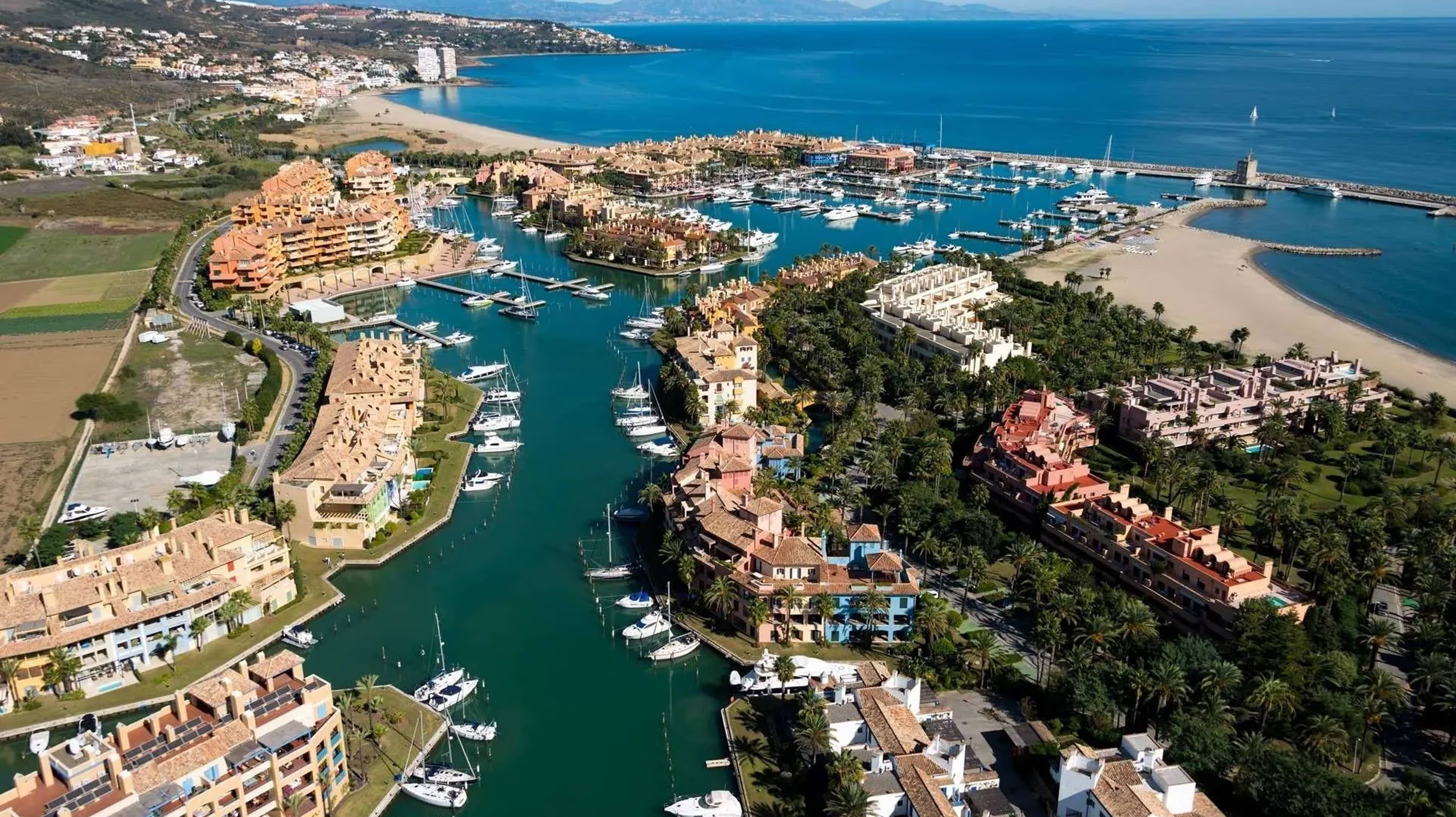
The order things arrived in tells you a lot about the place. Golf came first. Polo followed in 1965, when Enrique Zóbel laid out a field on the beach. The marina came much later, in the 1980s and 1990s, built with waterways and bridges modelled loosely on Port Grimaud.
The original masterplan worked around the cork oak forests and the natural contours instead of clearing them, and it set rules about density and building that have largely held. That is why the estate feels wooded rather than developed, and why a house built in 1968 and one built in 2024 can sit on the same street without either looking out of place.
Getting here, and getting around
Airports
Gibraltar is about 25 minutes away and runs regular UK routes. For British owners it is the reason a weekend here is genuinely practical.
Málaga is 60 to 75 minutes depending on traffic, and worse in August. It is the main international gateway and offers far more choice.
Jerez is a third option, useful mainly for Spanish domestic connections.
You will need a car
There is no polite way around this. Sotogrande is low-density and spread out, amenities are scattered across several kilometres, and public transport is minimal.
If you live in the Alto and want a coffee at the marina, that is a drive. School runs are drives. Everything is a drive. A Marina apartment is the one partial exception, since the restaurants, shops and Sunday market are on your doorstep.
For most people this is an accepted trade for space and quiet. It is worth knowing before you arrive rather than after.
The areas of Sotogrande
The estate divides into four broad areas, and for anyone considering living in Sotogrande, choosing between them shapes daily life more than choosing between houses does.
Sotogrande Costa
The original part of the estate, on the sea side of the AP-7. Flat, mature, and closest to the beach. It contains the Kings & Queens area with its streets named after Spanish monarchs, and it is home to the Real Club de Golf Sotogrande, the oldest course here. Plots are among the largest on the estate and gardens have had sixty years to establish. Housing stock is correspondingly older, and renovation is common.
Sotogrande Alto
Everything on the inland side of the motorway, rising towards the hills. More elevation, more woodland, more privacy, and the sea views that the Costa does not have. It covers more ground than the Costa and holds a wide range of property, from townhouses to substantial villas.
The Marina and Port
The social centre of the estate. Waterfront apartments and townhouses arranged around the waterways, with restaurants, shops and moorings on the doorstep. Lock-up-and-go in a way no villa can be.
La Reserva
The newest area, above the Alto, with its own golf course, beach club and gated developments. Contemporary architecture, high specifications, and Sotogrande International School close by.
Underneath these four areas sits a system of lettered zones, A through G, that governs how every address here is described. If you have seen a property advertised as being in the "B Zone" or the "D Zone" and want to know what that means, our guide to the Sotogrande zones explains the whole system.
Golf
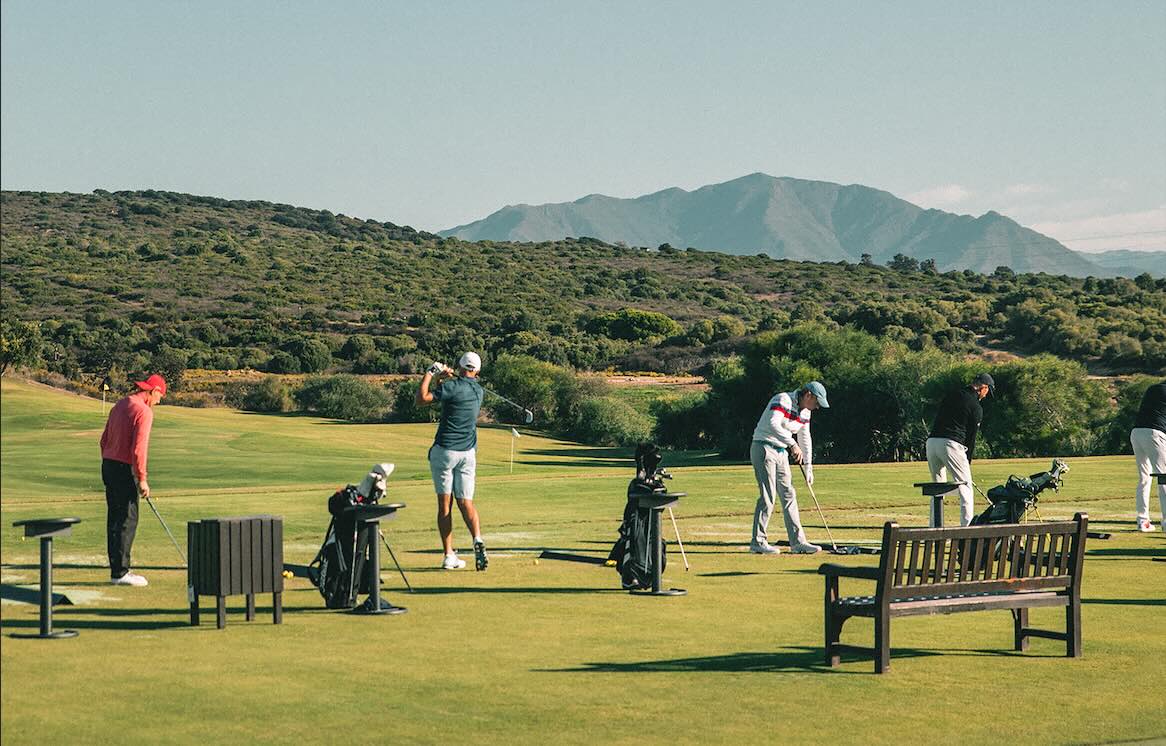
Five main championship courses sit within or close to the estate, and they are a large part of why people are here.
The Real Club de Golf Sotogrande is the oldest, laid out in the Costa in the estate's earliest years. Valderrama hosted the Ryder Cup in 1997 and remains one of the most highly regarded courses in Europe. La Reserva is the most recent of the five, with wide fairways and mountain views. San Roque Club adjoins the estate to the west, and La Hacienda Links is a short drive along the coast at Alcaidesa. Almenara, high in the Alto, gives residents another course on the estate itself.
Frontline golf vs golf views
This distinction is worth understanding, because it affects pricing considerably. "Frontline golf" and "golf views" are not the same thing. A frontline position backs directly onto a fairway and commands a real premium. A golf view might be a fairway glimpsed across a road. Both are legitimately advertised the same way, and the difference in value between them is substantial.
Membership
Membership is a separate question from ownership. Buying a house beside a course does not confer playing rights, and the clubs vary considerably in how they handle membership. It is worth asking early if golf is a primary reason for the move.
Polo and equestrian
Polo is not decorative here. Santa María Polo Club runs high-goal tournaments through the summer, with Ayala and Dos Lunas adding to a season that draws players and spectators internationally.
What that means for residents is a genuine change in the estate's rhythm between roughly late July and the end of August. Traffic increases, restaurants fill, the marina is busy in the evenings, and there is something on most nights. People who love Sotogrande in August and people who love it in November are often describing two different places.
Outside the polo season the equestrian side continues quietly, with stables, riding schools and trails through the countryside inland.
Fun fact: Sotogrande’s “polo capital” reputation started with a single beach polo field called La Playa, built in 1965 by Enrique Zóbel.
The marina and sailing
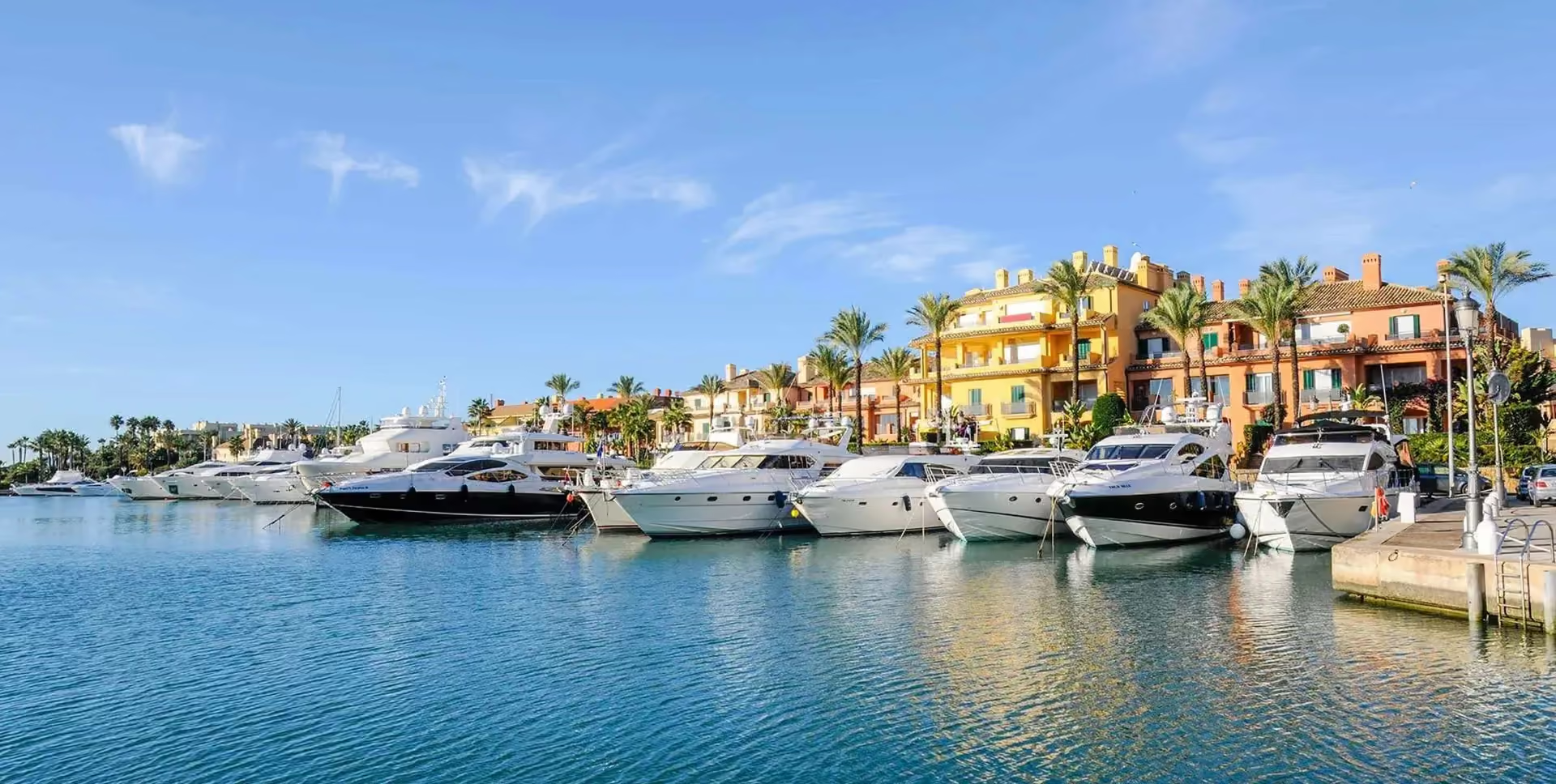
The marina is the social heart of the estate, built around a network of waterways and bridges with apartments and townhouses lining the quays.
Restaurants, bars, boutiques and a Sunday market run along the waterfront. The Real Club Marítimo offers sailing courses and runs regattas, and there is windsurfing, kayaking and paddleboarding through the warmer months. The Octógono Club and the Sotogrande Racquet Centre provide tennis and padel nearby.
Beaches and the outdoors
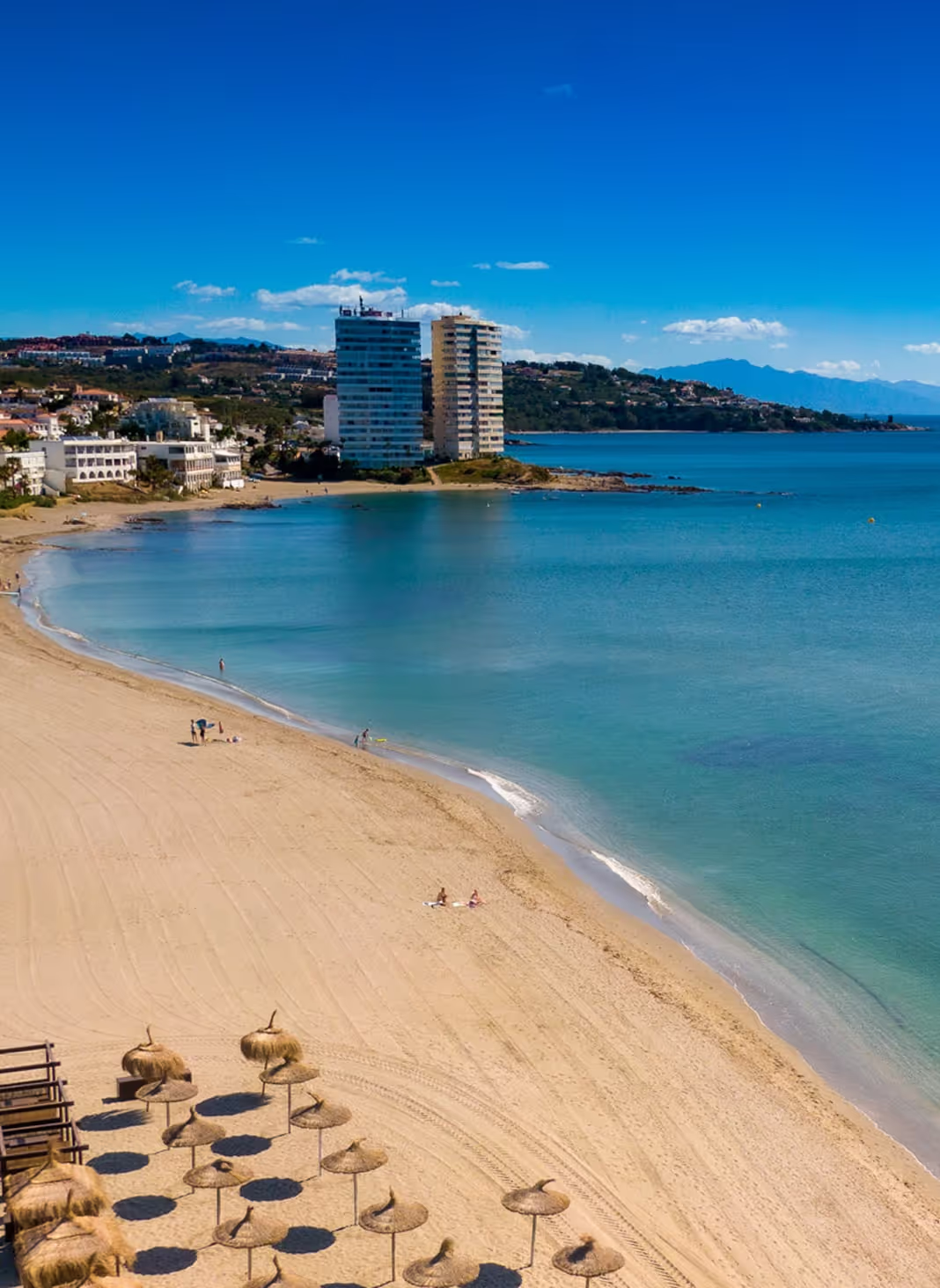
The beaches here are wide, sandy and considerably less crowded than those further east. Trocadero and Bunker Beach are the main beach clubs on the estate itself. Torreguadiaro, just east of the port entrance, has the busiest stretch of sand in summer along with some of the better seafood restaurants in the area.
Inland, the Guadiaro estuary is a protected wetland and a genuinely good spot for birdwatching, particularly during the spring and autumn migrations between Europe and Africa. The cork oak forest that the estate was built around provides walking and cycling routes, and the wider countryside towards Los Alcornocales opens up from there.
The climate supports all of it. Over 300 days of sunshine a year, mild winters, and summers cooled by sea breezes.
Families, schools and daily life
Schools
Sotogrande International School, on the edge of La Reserva near Sotogrande Alto, is the main draw for relocating families. It teaches in English, offers the International Baccalaureate across the full age range from around three to eighteen, and takes both day and boarding pupils. Its location at the top of the estate has a real bearing on where families choose to live.
The International Montessori School is a smaller bilingual option for younger children. There are also Spanish state schools in Guadiaro, Pueblo Nuevo de Guadiaro and San Roque, which work well for children who arrive young enough to absorb the language.
Daily life for children
The estate is private, with 24-hour security patrolling the residential areas and very little through traffic. In practice this means children cycle to each other's houses and are outdoors most of the year, with a degree of independence that has become unusual. It is the thing parents mention to us most often, and rarely the thing they expected to value.
Eating, shopping and services
Shopping and everyday services
Galerías Paniagua, in the Costa, is the estate's original commercial centre, with restaurants, shops and offices. SotoMarket and Mar y Sol cover the larger shopping, with Supercor and Mercadona for supermarkets and a private medical centre alongside.
Pueblo Nuevo de Guadiaro, just outside the estate, is where most residents actually go for everyday services — banks, pharmacies, hardware, cafés and a good deal more choice than the estate itself offers. Guadiaro village is smaller and quieter.
Eating out
The range runs from beach chiringuitos to the restaurants at La Reserva and the marina. Torreguadiaro is the reliable choice for tapas and seafood, and the restaurants inland towards San Martín del Tesorillo and Manilva are worth the drive for more traditional Andalusian cooking.
For anything the area does not stock, Gibraltar is 25 minutes and Marbella is 45.
Nearby villages
Sotogrande sits among a handful of villages, and most residents use at least one of them every week.
Pueblo Nuevo de Guadiaro is just outside the estate and is where everyday life happens: banks, pharmacies, cafés, bars and restaurants that stay open all year. It is a working Andalusian village rather than a resort, and homes there generally cost less than on the estate.
Torreguadiaro is a small seaside village just east of the port, with a beach, a promenade and some of the best seafood in the area. It is lively in summer and quiet for the rest of the year.
Alcaidesa lies a short drive along the coast towards Gibraltar. It is a newer residential area built around golf, including La Hacienda Links, with views across the Strait to Gibraltar and Africa. Buyers who like Sotogrande but want something different often look there too.
Healthcare
There is no large hospital within Sotogrande. That is a real consideration and worth stating plainly.
There are clinics and a private medical centre on and around the estate for routine care. Full hospital provision is in San Roque, La Línea de la Concepción, Algeciras, Marbella and Gibraltar, all within a reasonable drive. Helicópteros Sanitarios is a private scheme widely used by international residents along this coast, offering multilingual emergency assistance and home visits.
The seasons, and what nobody tells you
If you read one section of this page, make it this one.
Sotogrande has roughly 6,000 permanent residents. In summer that rises to something in the order of 30,000. The estate genuinely transforms. The marina fills, the beach clubs open, the polo runs, and the whole place has an energy that people fall in love with on an August viewing trip.
Then September ends and it empties out.
Some restaurants close for the winter and others cut their hours. The marina goes quiet. A significant proportion of your neighbours go home. From roughly October to May, this is a calm, spacious, slightly sleepy place where the golf courses are empty and you can park anywhere.
For a lot of people that is precisely the appeal, and we would count ourselves among them. For others it comes as a genuine shock, and it is the most common reason we see buyers conclude that Sotogrande is not for them.
So the advice we give everyone considering living in Sotogrande is the same: visit in January or February before you commit. Anyone can sell you this place in August. If you still like it in the rain, you will be happy here.
Property in Sotogrande
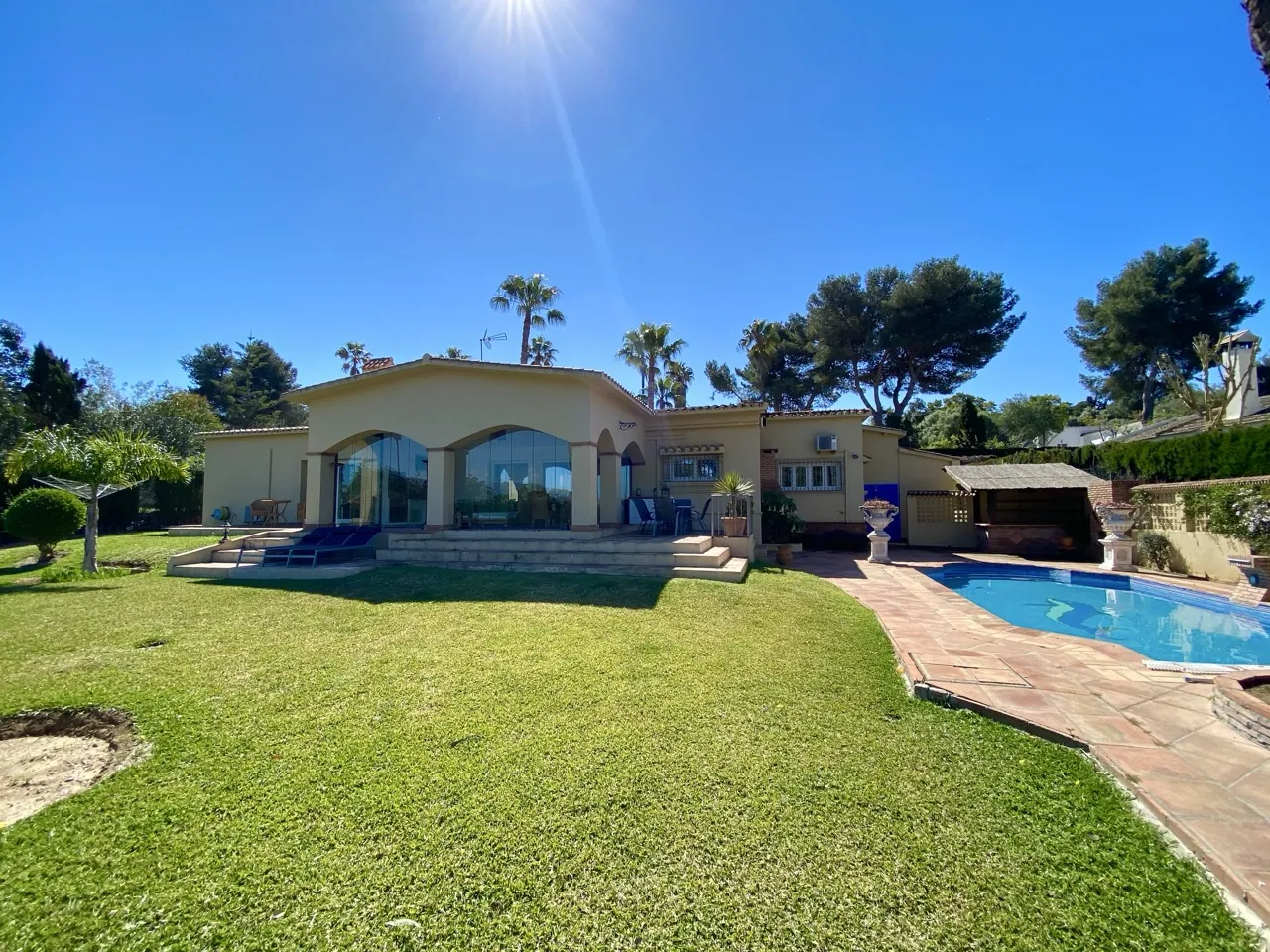
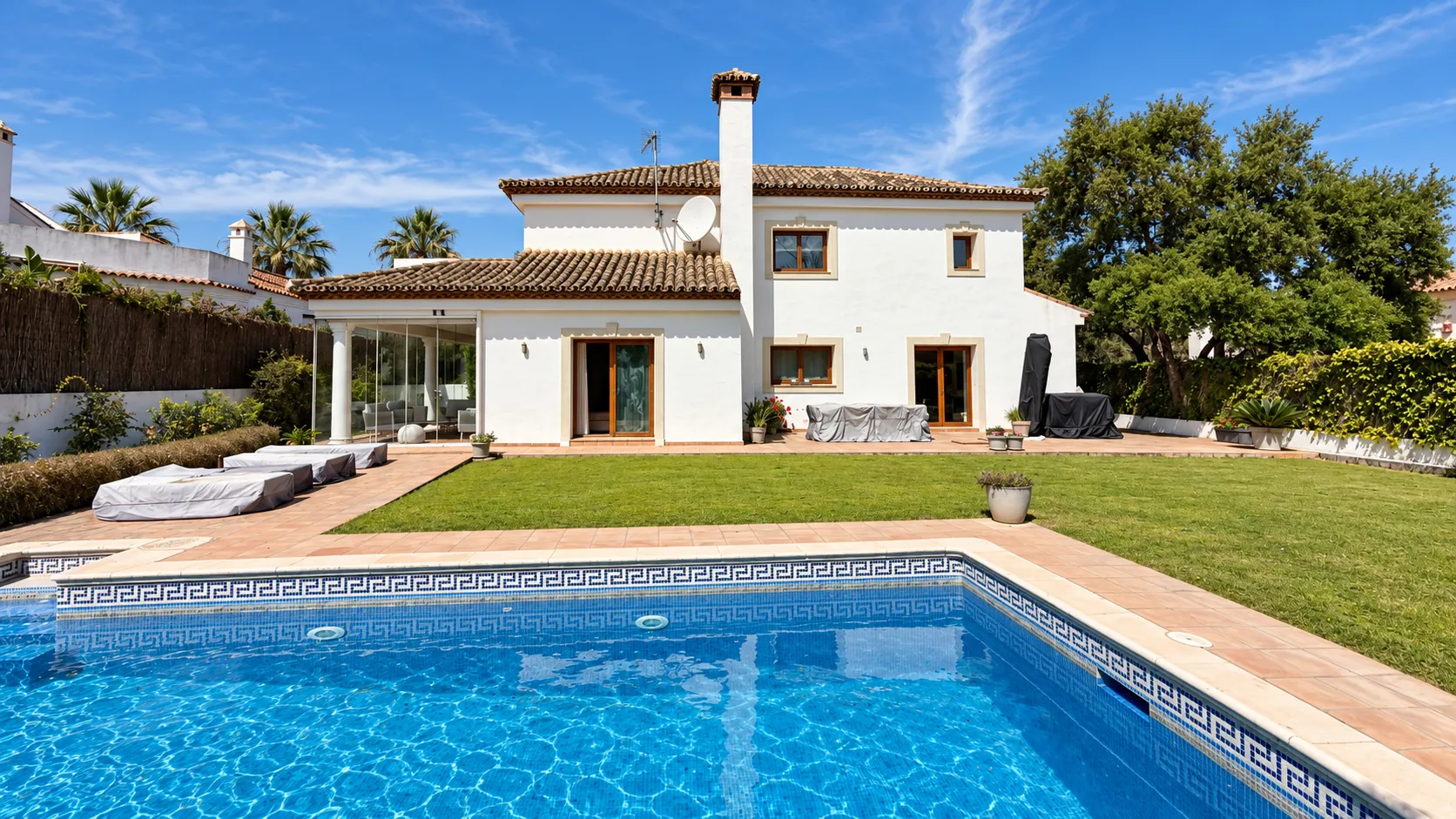
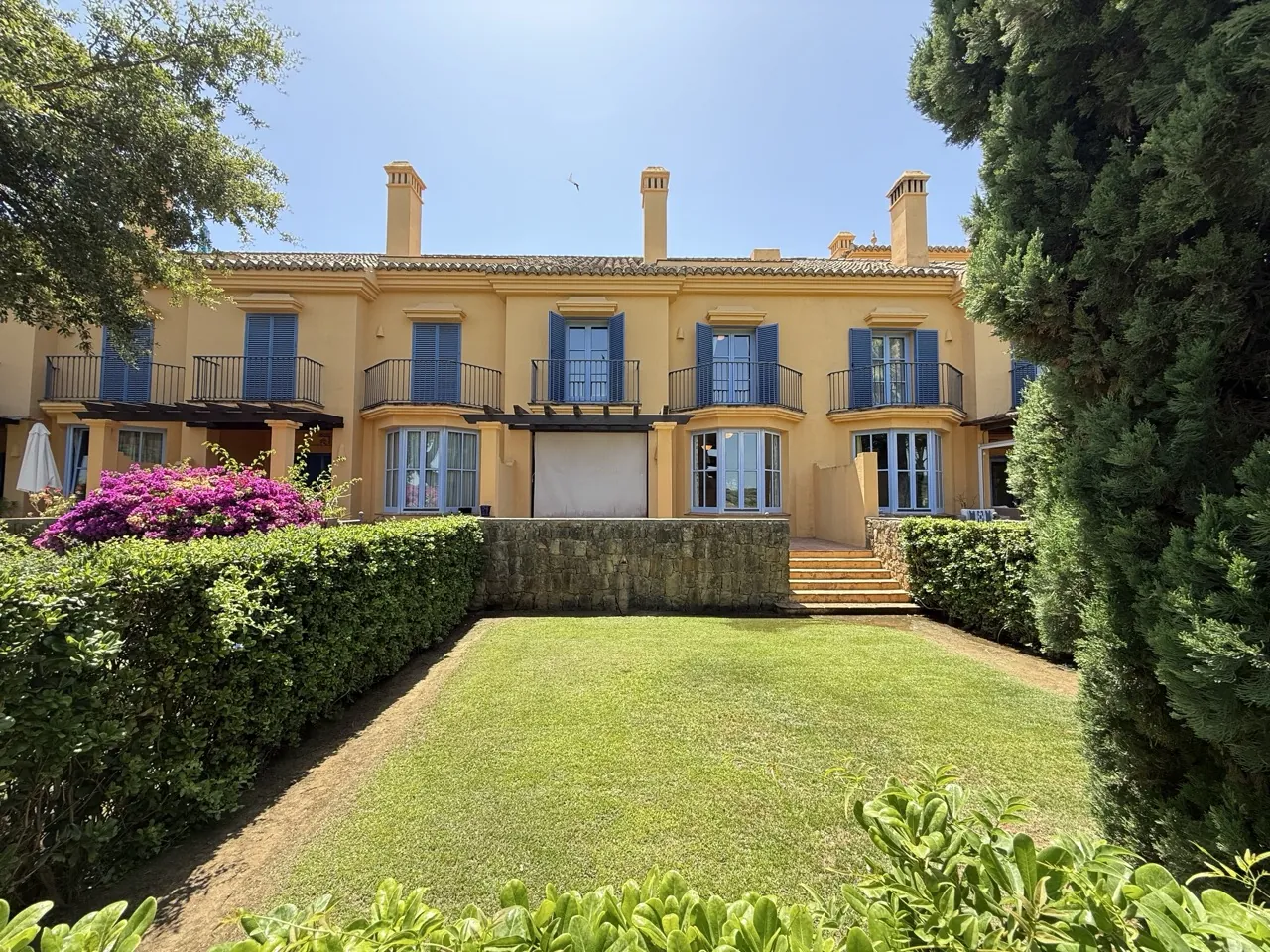
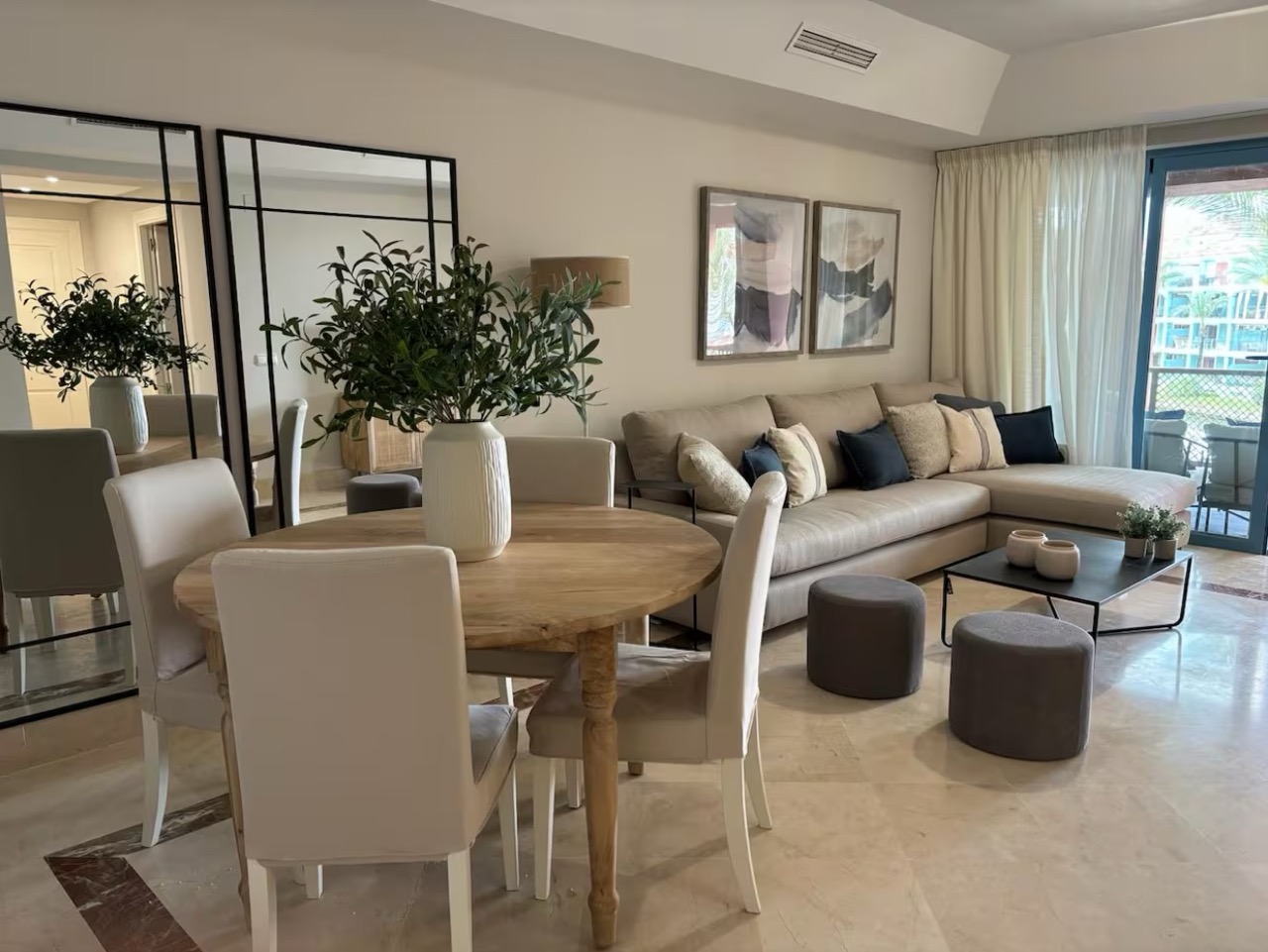
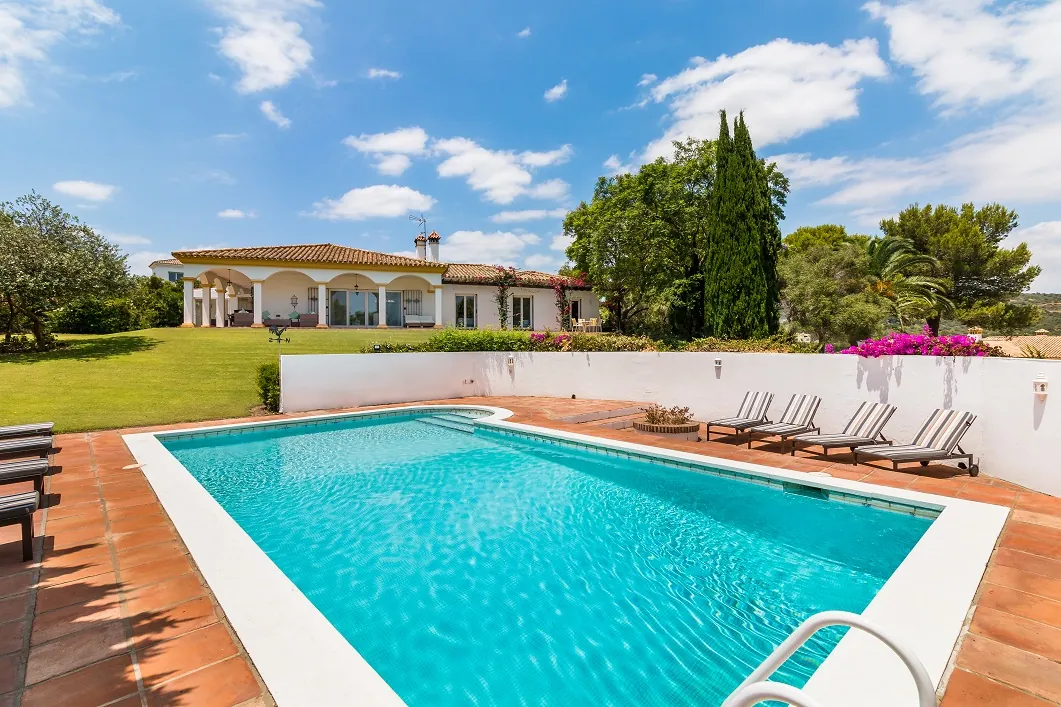
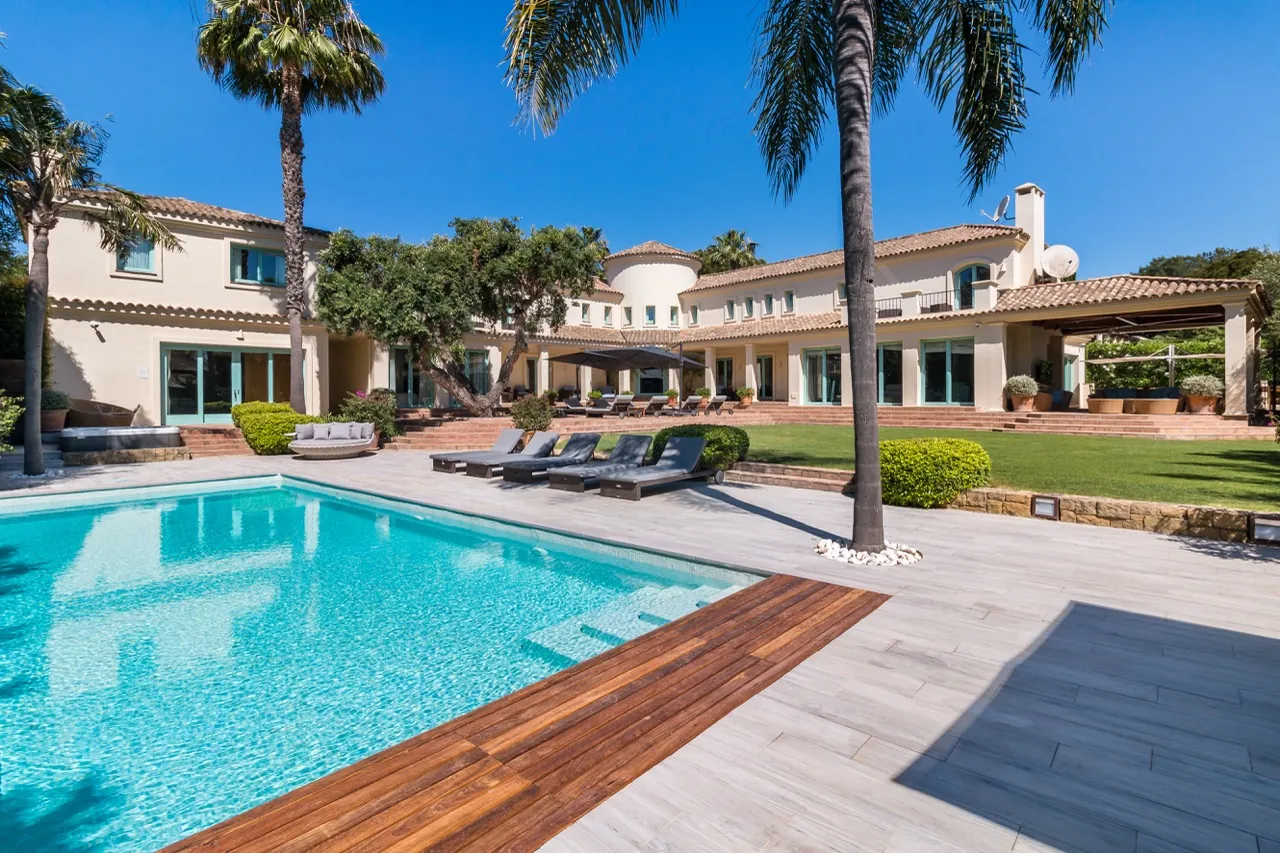
The housing stock reflects the history. A large proportion is detached villas on generous plots, many built between the 1960s and 1990s and updated since, with mature gardens that newer developments cannot replicate. Around the marina you find apartments, penthouses and townhouses, often with moorings. La Reserva and the newer developments offer contemporary architecture and current specifications. Plots for self-build still come up, though rarely.
The market here behaves differently from the wider coast. It trades more slowly, with fewer transactions and a narrower buyer pool, and values have historically been steadier as a result. Limited developable land and strict planning controls underpin that. The same thinness means a resale can take longer, particularly for unusual properties, and that belongs in your calculation as much as the stability does.
Asking prices by area (Bristow Property Group listings, October 2026)
- La Reserva: €850,000 to €24 million
- Sotogrande Alto: €755,000 to €5.95 million
- Sotogrande Costa: €1.275 million to €12.995 million
- Sotogrande Marina: €549,000 to €2.75 million
For the wider market, Idealista's average asking price for Sotogrande was €3,712 per square metre (February 2026 data, published March 2026). Asking prices are not sale prices and every property is different, so treat these figures as a guide.
Buying or selling? Our guide to buying property in Sotogrande walks through the process step by step, and our guide to selling property in Sotogrande explains how a sale works here, from valuation to completion.
Is Sotogrande right for you?
It probably suits you if…
You want space, privacy and mature surroundings more than convenience; you play golf, sail, ride or follow polo; you have children and want them outdoors and safe; you like a quiet winter; or you would rather buy something established than something new.
It probably does not suit you if…
You want to walk to a choice of restaurants year-round; you fly frequently on routes that only Málaga serves; you would rather not drive every day; you need a wide choice of schools; you want a fast, liquid resale market; or you find quiet unsettling.
Neither list is a judgement. Living in Sotogrande simply suits some lives better than others, and it is worth being honest with yourself about which one you are describing.
Why Work with Bristow Property Group
We have been selling property in Sotogrande since 1991. We are a family business that calls Sotogrande home, working from our office in Galerías Paniagua inside the estate, and we would rather tell you how things really are than sell you a version of the place that does not exist.
The team you will deal with is Paul Bristow, Tracy Bristow, Daniel Bristow, Rocio Moreno Bautista, Zachary Riches and Bertie Bristow. Between us we look after sales, rentals and property management across the estate. This is what two of our clients said:
“Paul sold our Sotogrande villa and made the whole process feel straightforward. When it looked like the deal might fall through, he kept us calm, handled the necessary conversations properly, and guided it back on track to achieve the outcome we wanted.” Michael J, seller
“Bristow found the perfect penthouse that ticked every box on our long list of requirements. We couldn’t be more thrilled with the level of care, professionalism, and local insight they brought to the entire process. Exceptional service from start to finish.” Sophia L, buyer
Thinking of selling? Start with a free, no-obligation valuation and we will give you an honest view of what your home is worth in today's market.
FAQ's
Where is Sotogrande?
Sotogrande is in the municipality of San Roque, in Cádiz province, at the western end of the Costa del Sol and close to the border with Málaga province. It sits between the Mediterranean and the foothills of the Sierra Almenara, about 25 minutes from Gibraltar and 45 minutes west of Marbella.
Is Sotogrande a town or a resort?
Neither, strictly. It is a privately owned residential estate of around 2,000 hectares, developed from the early 1960s onwards and made up mostly of private family homes. It has commercial centres and clubs but no town centre in the conventional sense.
What is living in Sotogrande like?
Quiet, green, spacious and safe, with an active sporting and social life concentrated in summer. Daily life is car-dependent and outdoor. The estate is markedly busier between June and September than for the rest of the year.
How many people live in Sotogrande?
Around 6,000 people live here permanently, rising to roughly 30,000 during the summer months as seasonal residents and visitors arrive.
Is Sotogrande expensive?
It is a high-end market. Asking prices on our own listings in October 2026 run from about €549,000 to €24 million, and the table under "Property in Sotogrande" breaks that down by area. Idealista's average asking price was €3,712 per square metre (February 2026 data). Sotogrande is generally less expensive per square metre than prime Marbella, and you tend to get more land for your money. Running costs matter as much as the purchase price, particularly for villas with gardens and pools.
Is Sotogrande safe?
It is one of the main reasons families move here. The estate is private, with 24-hour security patrolling the residential areas, very little through traffic and low crime. Many individual developments have their own gated entrances as well.
What is there to do in Sotogrande in winter?
Golf, walking, cycling and riding all continue year-round, and the courses are quieter. Some restaurants and beach clubs close or reduce hours between October and May, and the social calendar thins considerably. Marbella and Gibraltar are both within easy reach.
Do I need to speak Spanish to live in Sotogrande?
Not to get by. English is widely spoken across the estate and in the international schools and clubs. Spanish becomes much more useful for dealings outside Sotogrande, with local authorities, tradespeople and services in the surrounding villages.
What is the best area to buy in Sotogrande?
It depends on how you want to live. The Costa suits people who want to be close to the beach and the oldest golf course, on large, mature plots. The Alto offers more elevation, sea views and privacy. The Marina suits lock-up-and-go living, with restaurants and shops on the doorstep. La Reserva is the choice for contemporary homes and for families who want to be close to Sotogrande International School. We are happy to talk it through with you.
Can I buy property in Sotogrande as a non-resident?
Yes. Non-residents can buy in Spain, and we recommend an independent lawyer to guide you through the process. We are happy to introduce trusted lawyers and tax advisers, and our guide to buying property in Sotogrande explains what to expect.
How do I sell my property in Sotogrande?
Start with a valuation. We offer a free, no-obligation valuation and will tell you what similar homes are asking and selling for. The standard agency commission in Sotogrande is 5% + IVA. Our guide to selling property in Sotogrande explains the process from valuation to completion.
Featured Properties

.webp)
.webp)

.webp)
.webp)
Search by Features
Every dream home is unique. Search by the features that matter most to you and we’ll help you find the right match.